This web site is dedicated to the Collies of Distinction Rough/Smooth and Toftys. Please come on in and read all about what we get up too.
Caprioara History.
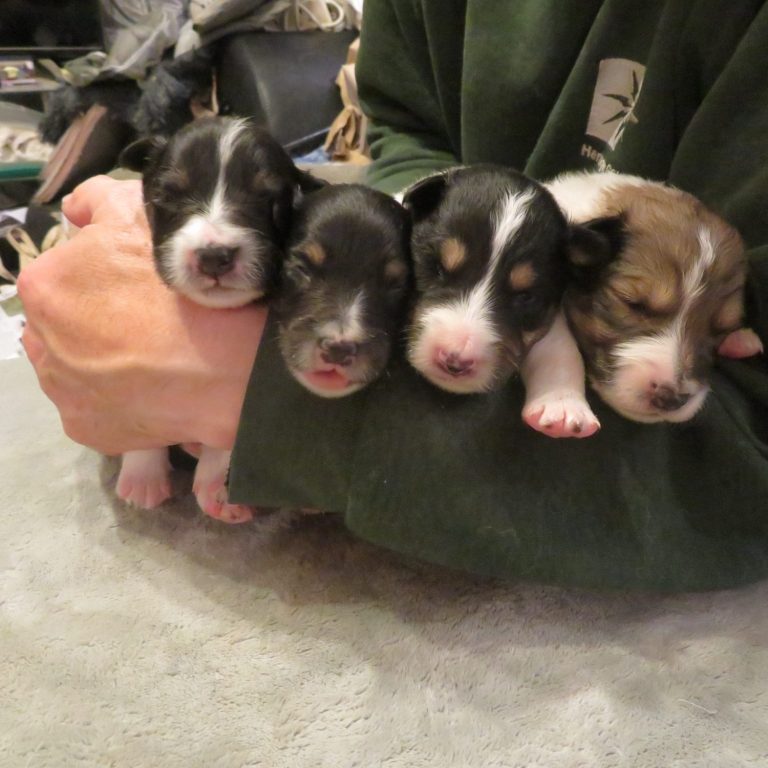
Hi my name is Pat and i am the founder of the Caprioara Collies. It all started with a rough collie stud dog called Captain and two tri bitches Jet and Dreamer these were my foundation collies. Dreamer a tri girl was all USA breeding and was DNA tested all clear. Jet another tri girl who was all UK bred and was eye clear started my kennel, my blue boy Captain was my orginal stud dog and was all Wicani bred.This is how my kennel first started and i owe all my success to these three. Most of the dogs i have now are in some way related to these three. My ethics concerning breeding are as follows i aim to bring puppies into this world only using the parents which have been DNA tested and who have the very best results many are also hip scored as well and also have great temperments and are of the standard for the breed. Each litter is born indoors with me, I give as much attention to each pup as it needs, and i expose them to different sounds and situtations as possible, the pups stay with there mums untill the mum says she dosnt want them anymore as it is the mum who teaches the pups the most. The pups do not leave me untill there around 9 or 10 weeks old. When the pups reach 6 wees old i then let them have time with the adults if mum allows as this teaches them how to speak dog .I keep in touch with every new owner for the life of the dog. I have a contract which states that in the future for what ever reason the pup/adult cannot be kept it must come back to me. I also offer free holidays for any Caprioara dog/pup should the owners require all i ask is for the food.
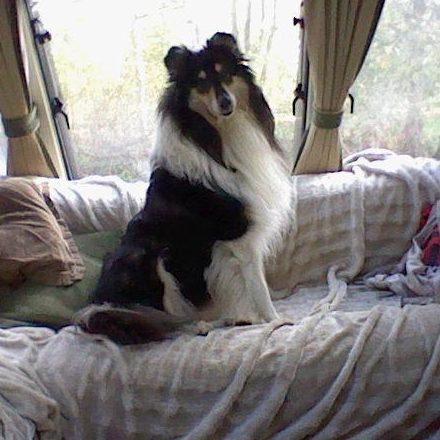
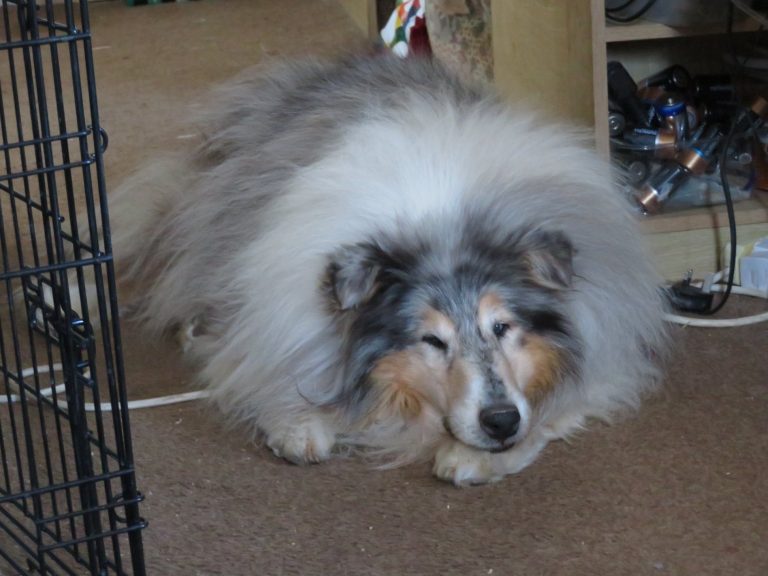
Our showing results over the past few years
Here are some pics of our award boards for 2023 2024 2025.
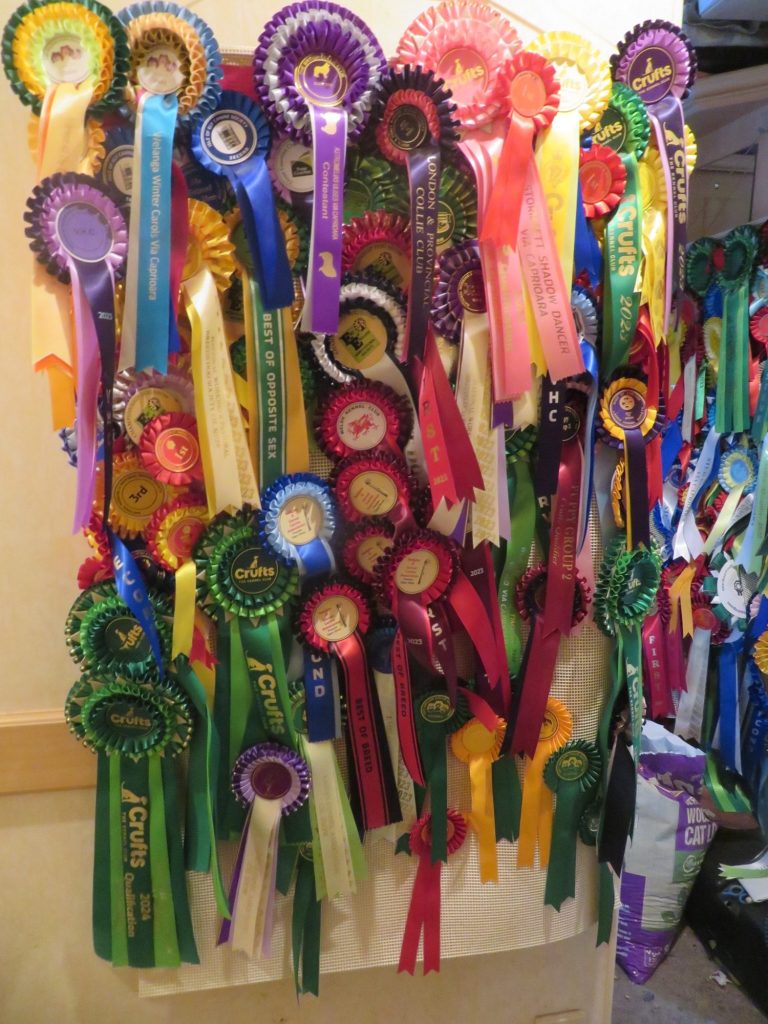
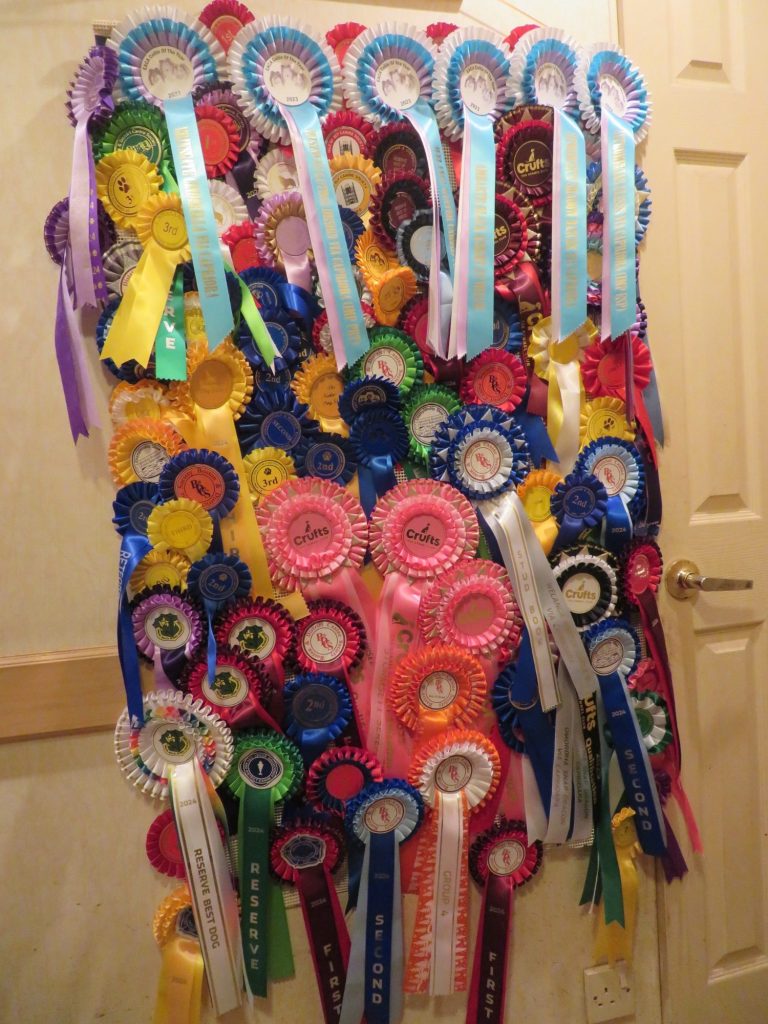
Here are the main results of our shows for 2025
Justo dolores
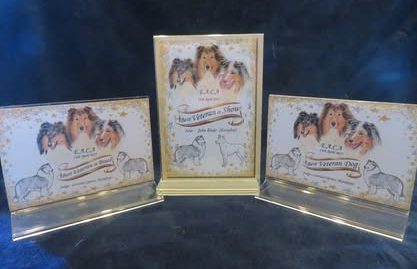
Aslan won these for show 1 and show 2 open at EACA Aug 2025 he won best veteran then best veteran dog then best veteran in show and also Best in show for both the shows
Duis autem ve
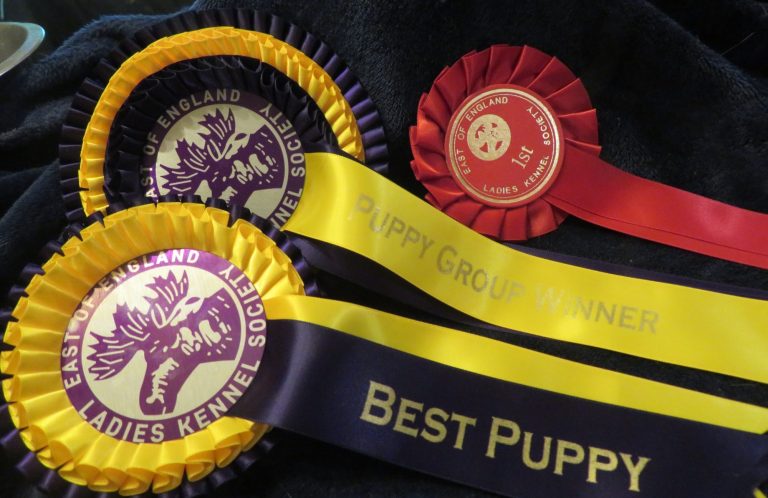
Ladies Kennel Open show. Kingsman was 1st in puppy class then he won Best puppy in breed, then he went on to win the Pastoral puppy group.
At vero eos
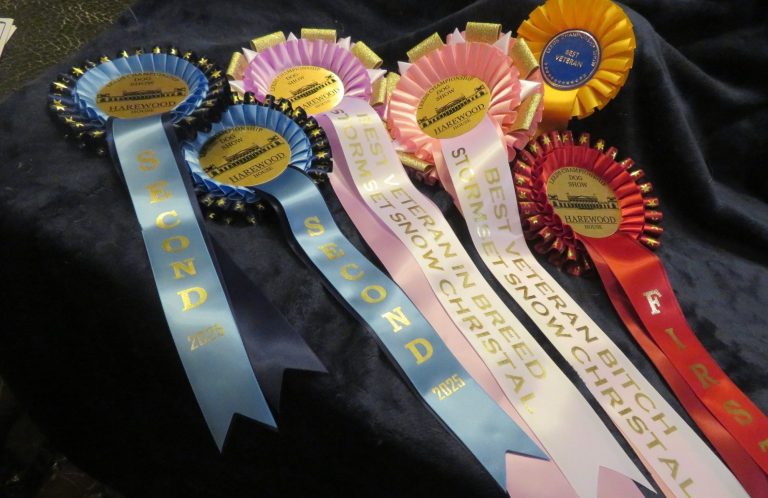
Leeds champ show Aslan 2nd in Veteran dog class. Masie 1st in veteran bitch class, then Best veteran bitch and then won Best Veteran in breed.
Takima sanctus
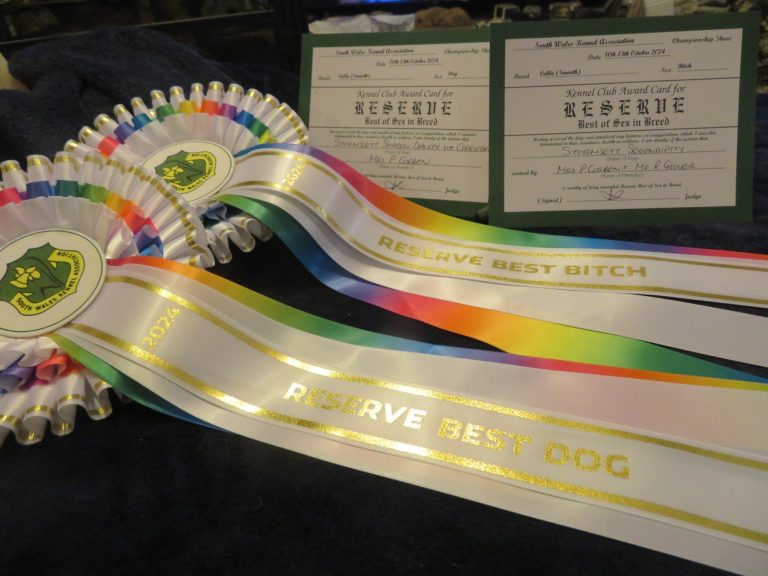
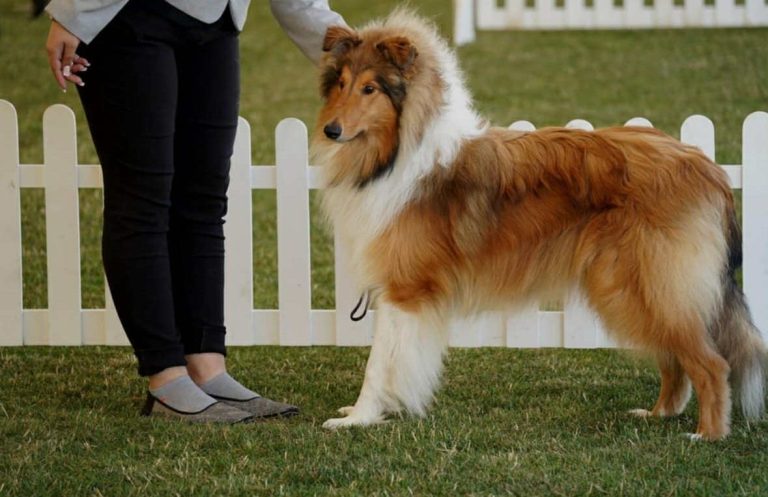
This show was in 2024 it was South Wales Kennel champ show Alaska won limit bitch class then won Reserve best bitch and her brother Diablo won his limit class and then he was also awarded Reserve best dog.
Tempor invidunt
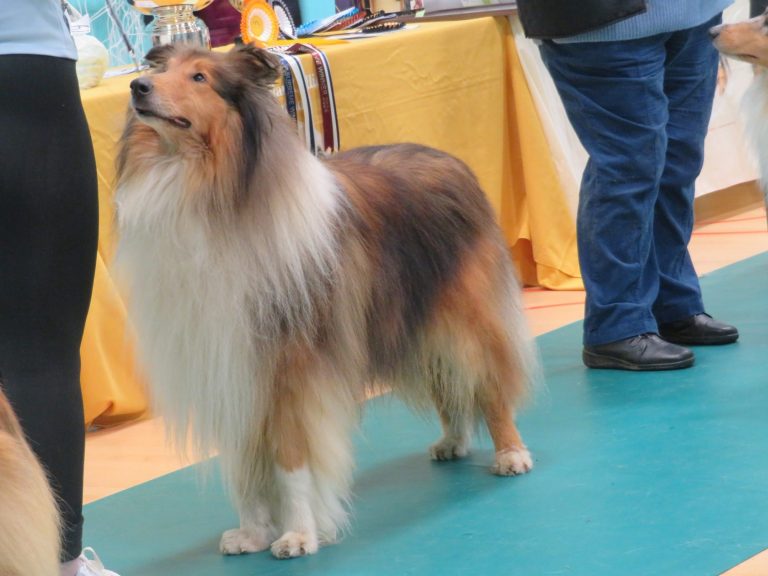
Kingsman at Richmond champ show won his puppy dog class ten went on to win Bestt puppy dog
Accusam justo
Boston Champ show Aslan won 1st in vet dog at Paignton champ show Aslan won 1st in vet dog and was awarded best veteran dog then at Three counties he again won veteran dog class and went nto be awarded best veteran dog.
Here are the show results for 2026
The best results from the 2026 shows
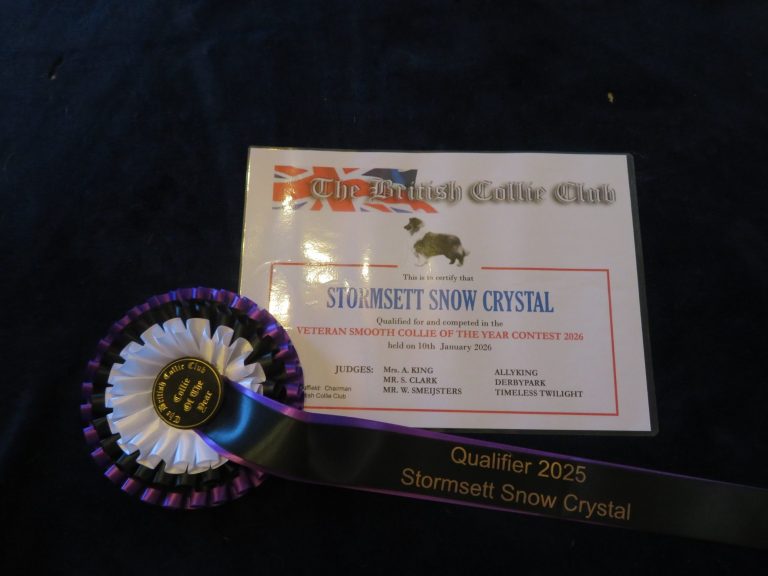
JMasie Masie MMMasie usto dMMoloresMasie
Masie won through to this event held at the begining of the year 2026
Duis autem ve
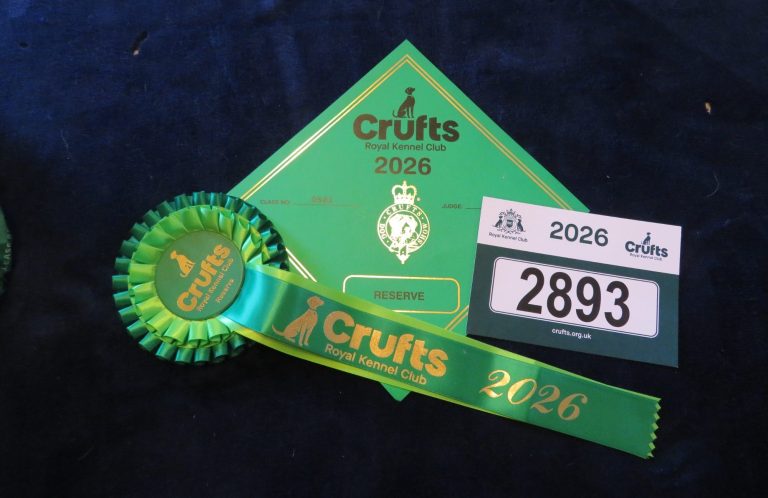
Masie was in the veteran bitch class at Crufts 2026 and was placed 4th
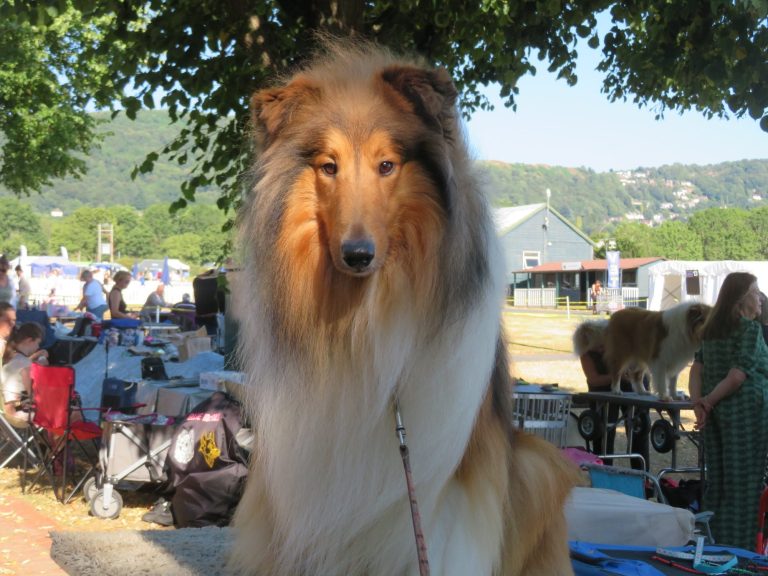
At vero eos
Boston champ show Kingsman in Special yearling class was placed 1st
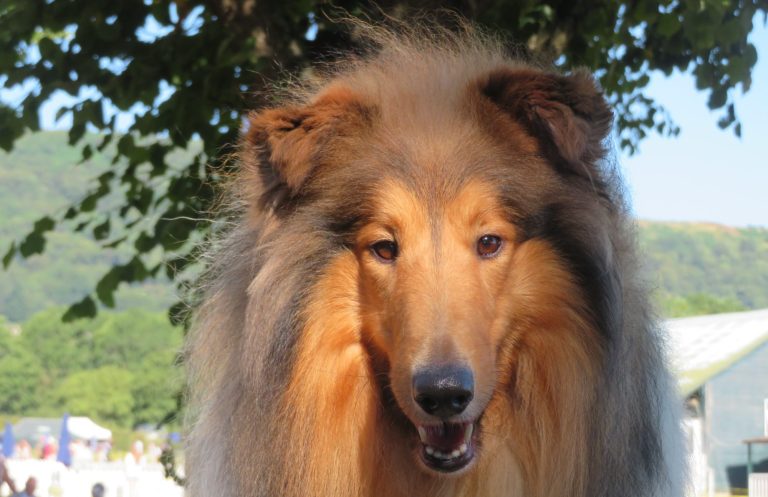
Takima sanctus
Nat work and Pastoral champ show Kingsman was placed 1st in special yearlng class
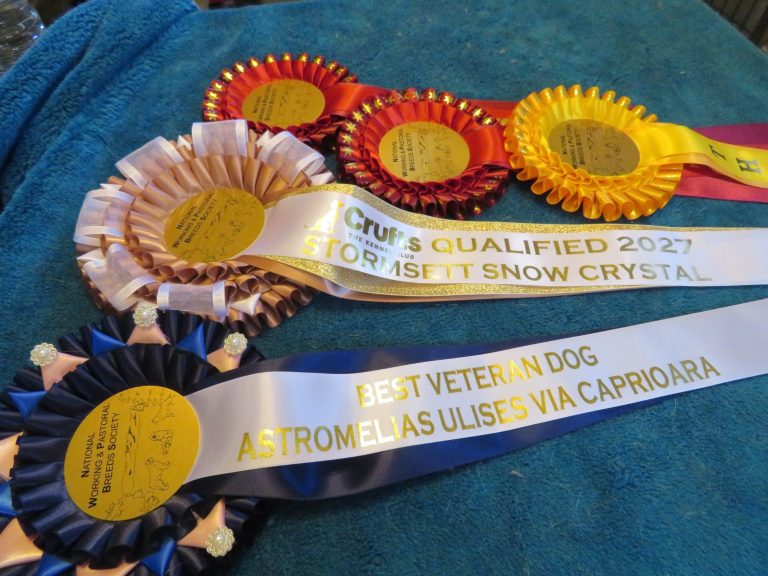
Tempor invidunt
National working and pastoral champ show Aslan 1st in vet dog class and was awarded best vet dog Masie was placed 3rd in vet class and qualified for Crufts 2027
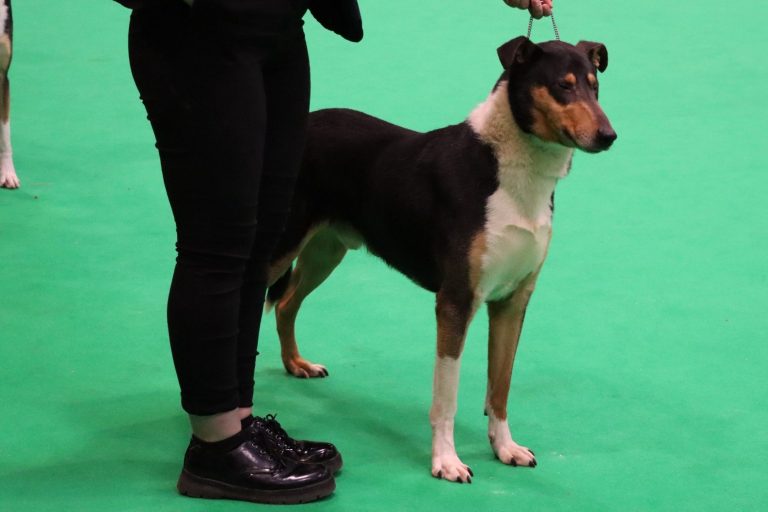
Accusam justo
Diablo won reserve best of breed at Gt yarmouth and newmarket and east of england open shows and he was also placed 1st at Boston champ show
These pages are dedicated to the history of the Rough collie the Smooth collie and the Welsh sheep dog
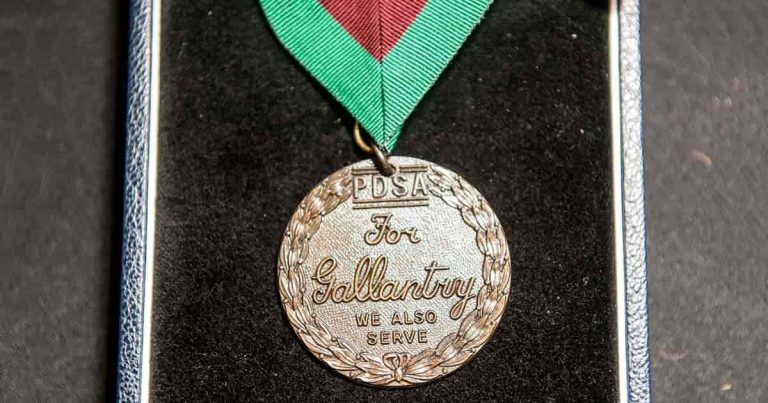
The dickin medal is the highest award an animal can be given and is there equivelent of our Victoria Cross, many dogs have been honoured with this medal and many of them were collies Date of Award: 22 January 1945
“ ROB Took part in landings during North African Campaign with an Infantry unit and later served with a Special Air Unit in Italy as patrol and guard on small detachments lying-up in enemy territory. His presence with these parties saved many of them from discovery and subsequent capture or destruction. Rob made over 20 parachute descents."Rob's storyRob's story
Rob's story
Rob the Collie crossbreed served with the 2nd Special Air Service Regiment. During World War II he became known as the ‘Para dog’, after completing over 20 parachute drops – many of which landed in enemy territory.
Rob was born in Scotland but adopted by Mr E Bayne, a farmer from Ellesmere, Shropshire, where he soon became a family pet. He loved to help his owner on the farm, herding cattle; gently chivvying out the hens who made forbidden raids on the garden and acting as nursemaid to Mr Bayne’s young son, Basil, who learned to walk by clutching Rob’s coat.
When war broke out, Mr Bayne heard the appeal for the loan of large dogs for national service. Partly for Rob’s own sake, as food became a scarce commodity, but also to support his country, Mr Bayne offered Rob to the War Office, who accepted him and enrolled him into the War Dogs’ Training School.When Basil’s little sister Heather was born, there was no Rob there to help her learn to walk. He was away, serving in North Africa, where he had landed with the assault infantry and was doing fine work. In January 1945, three years after Rob joined the war effort, Mr Bayne received a letter from the War Office, marked ‘Very Secret’. The letter detailed that Rob had been recommended to the Allied Forces Mascot Club to receive the PDSA Dickin Medal and that the recommendation had been passed.
Rob had been serving with the Special Air Service Regiment, which at the time was on the secret list. In 1945 though, the War Office allowed news of Rob’s award to be made public. The official citation for Rob’s PDSA Dickin Medal read: “Took part in landings in the North Africa Campaign with the Infantry Unit.
“From September 1943 he served with the Special Air Unit in Italy. Most of these operations were of an unpleasant nature.
“He was used as a patrol dog and guard on small parties which were lying in enemy territory. There is no doubt that his presence with these parties saved many of them from being discovered, and thereby from being captured or killed.”
Reports from Rob’s command detailed that he appeared to enjoy his parachute jumps and would jump from aircraft without hesitation. When he reached the ground, he would lie still until his handler joined him to remove his parachute and give him his orders.
On one mission, Rob was dropped with a party of paratroopers behind enemy lines where they remained for many months. They faced incredible dangers and through it all, Rob never failed to keep guard and display faultless devotion to duty.
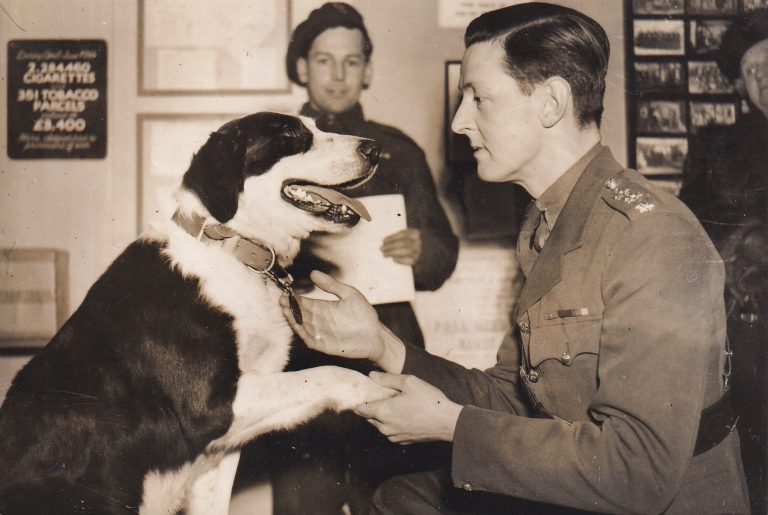
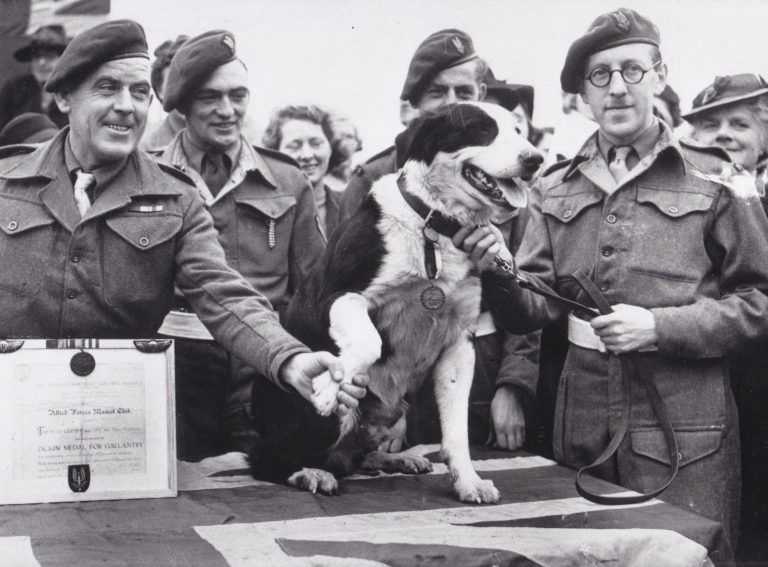
Rob returned to England six months before his PDSA Dickin Medal was announced. He appeared, at an exhibition in London in aid of the Returned British Prisoners of War Fund,
accompanied by an escort of paratroopers and it was here that Rob received his Medal, presented by Captain Philip Sydney, who went on to become Lord De L’Isle and Dudley, VC.
The press loved Rob’s story and his photo appeared in many papers. Rob returned to military duties. In October 1945, when his SAS unit was disbanded he returned home.
The Bayne family drove to the station to welcome the returned hero, who was handed over by the military escort. They wondered whether his long war service and the publicity he had received had spoiled him. But they quickly noted that it had not. Rob took up his old life exactly as before. He remembered how to deal with the hens and the cattle and enjoyed retirement from military life in the Shropshire countryside with his loving family.
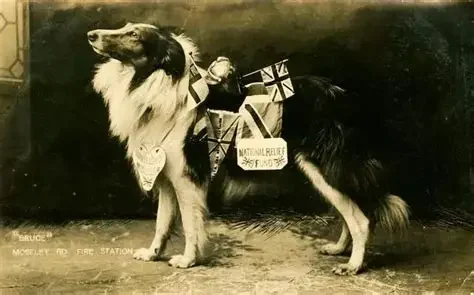
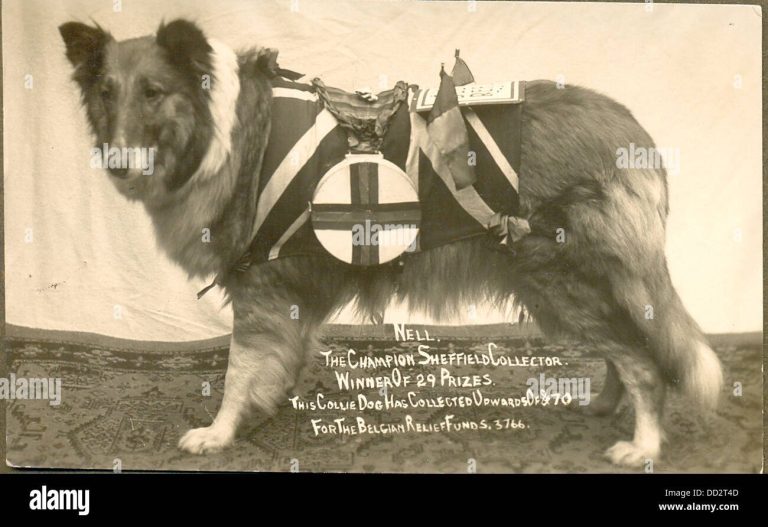
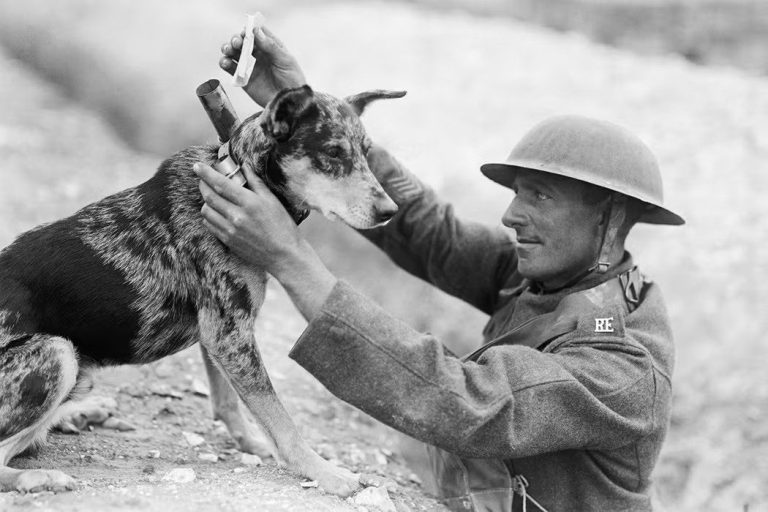
Collies in the first world war
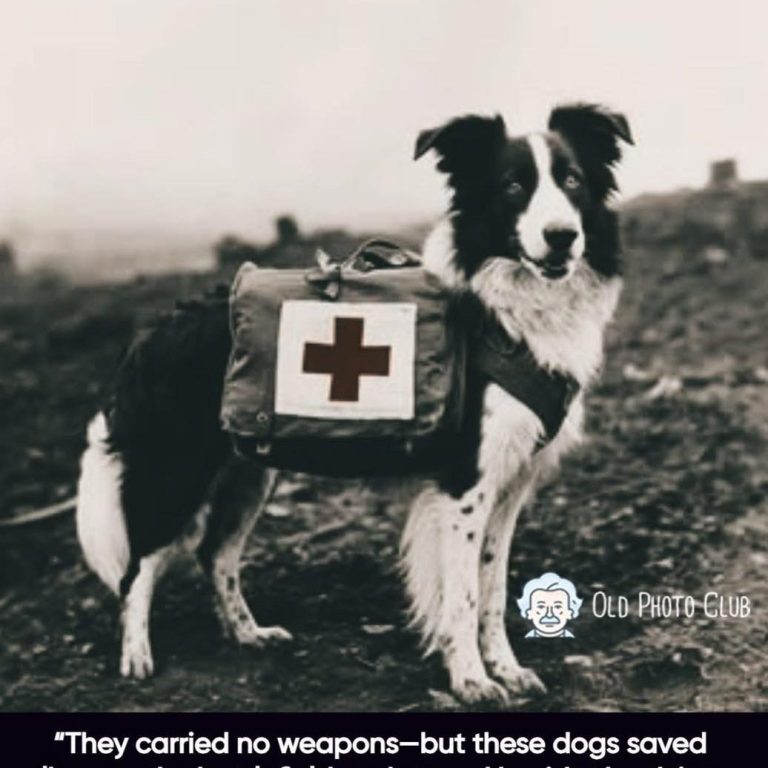
Mercy dogs were specially trained canines in World War I that located wounded soldiers, delivered medical supplies, and comforted the dying, saving countless lives on the battle
To the forlorn and despairing wounded soldier, the coming of the Red Cross dog is that of a messenger of hope.
“Here at last is help, here is first aid. [The soldier] knows that medical assistance cannot be far away, and will be summoned by every means in the dog’s power.
“As part of the great Red Cross army of mercy, he is beyond price.”
Tragically, albeit unsurprisingly, a large number of Mercy Dogs died during the war. By the time the Armistice was signed on Nov. 18, 1918, some 7,000 Mercy Dogs had been killed in service to their respective countries.
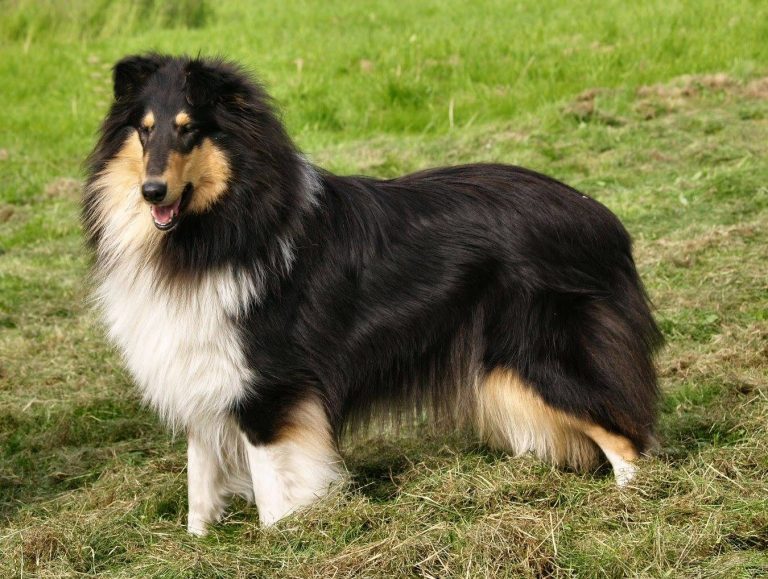
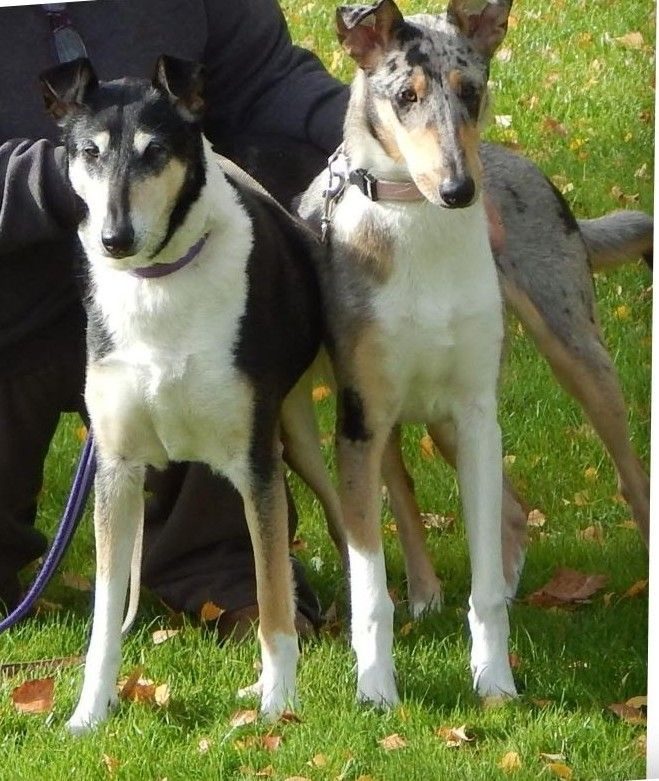
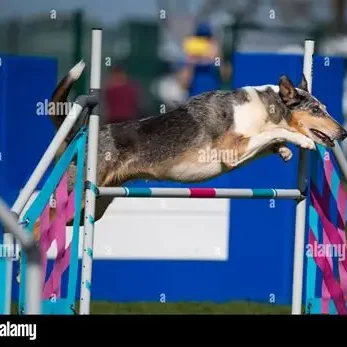
The smooth collie is a handsome breed with a striking silhouette and soft expression, with a short, weatherproof coat. The Smooth Collie comes in three recognised colours, sable, tri-colour and blue merle, all with white marking to the neck, legs and sometimes tip of the tail and a blaze or stripe on the head.
A very intelligent breed, originally used for herding and droving livestock to market, the smooth collie has now turned his paws to a variety of roles including search and rescue, disability assistance and medical detection as well as making ideal family companions. They enjoy a variety of activities with their owners such as agility, tracking and CaniX.
These canines are wary of strangers but won’t respond with aggression. They’re excellent watchdogs and will instantly alert their owners to anybody approaching their territory. Guarding isn’t a trait of the Smooth Collie.
The Smooth Collie is generally a sociable, easily trained family dog. Although not an aggressive breed, they are alert and vocal, making them both good watchdogs if well trained and potential nuisances if allowed to bark indiscriminately. Collies are agile and active dogs and need regular exercise in some way. This breed is easy to train, due to its high intelligence and eagerness to please its owners.
History of the Welsh sheep dog
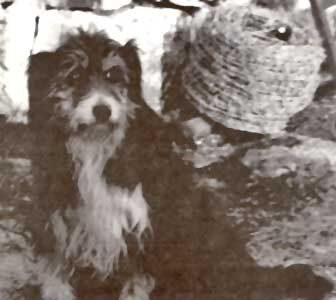
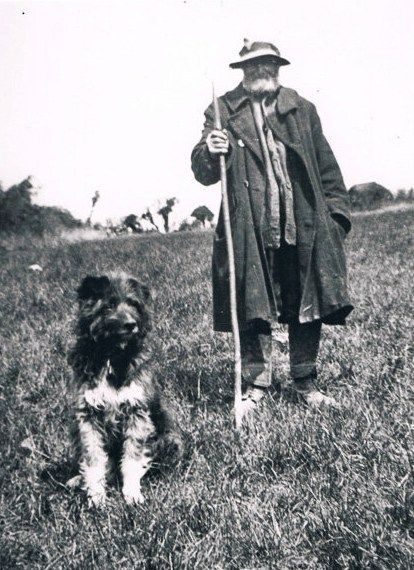
A beautiful picture isn't it. The breed is now extinct - an Old Welsh Grey Sheepdog with his master, a Welsh drover circa 1898.
The population of all types of Welsh sheepdogs declined from the early 20th century onward, largely due to the growing popularity of the Border Collie for herding.
While Welsh Grey dogs were still present on Welsh hill farms in the upper Towy valley as late as the 1980s, the breed is now likely extinct.
Now please read the history of the Welsh sheepdog
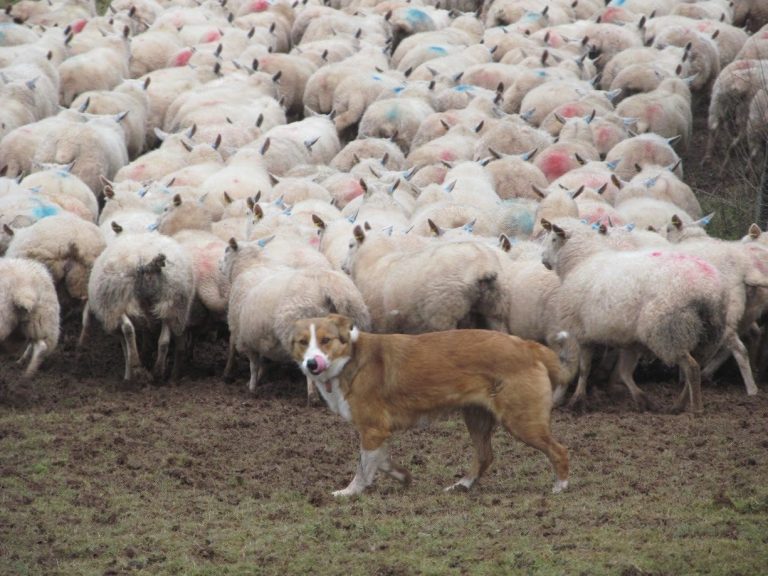
At one time there existed many sheep-herding dogs peculiar to Wales; during the 18th century Welsh drovers taking sheep for sale took with them five or six sheepdogs as "herders on the narrow roads, guards against highwaymen, and providers of game on the route". These were an early type of Welsh Sheepdog, higher on the leg and more racily built than the modern day breed.
However, by the 1940s the group had decreased to two or three breeds only. The ancient pure breeds of Black-and-Tan Sheepdog and Welsh Hillman were almost extinct, and were scarcely seen working. The type best known in Wales at that time was mostly descended from the old Black-and-Tan with an infusion of working Border Collie blood.
In the 1940s the Welsh Sheepdog was still common throughout the north and central Welsh counties. In herding activities, it did not normally work low to the ground in "the showy manner sometimes seen in the work of the working [Border] Collies", as British dog fancier C. L. B. Hubbard put it in 1948. It was variable in type; approximately 18 in (46 cm) in height, but the weight ranged from the lighter built, leggier dog of North Wales at 35 lb (16 kg) to the more solid 40 to 45 lb (18 to 20 kg) dogs of Glamorganshire and Monmouthshire. There were no dog show classes for the Welsh Sheepdog as it was purely a working breed.
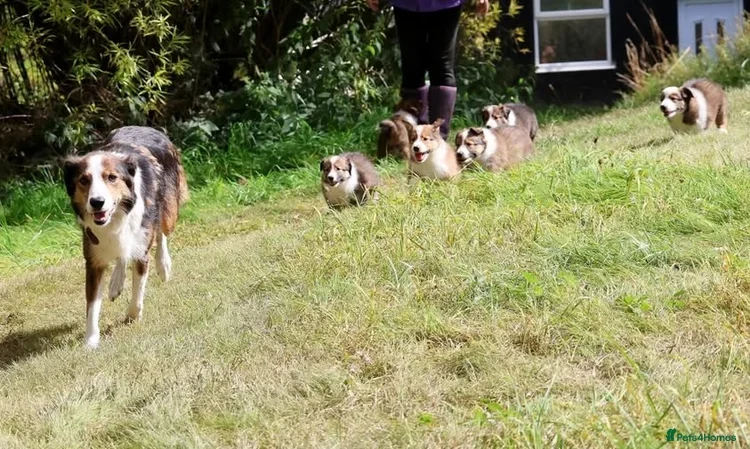
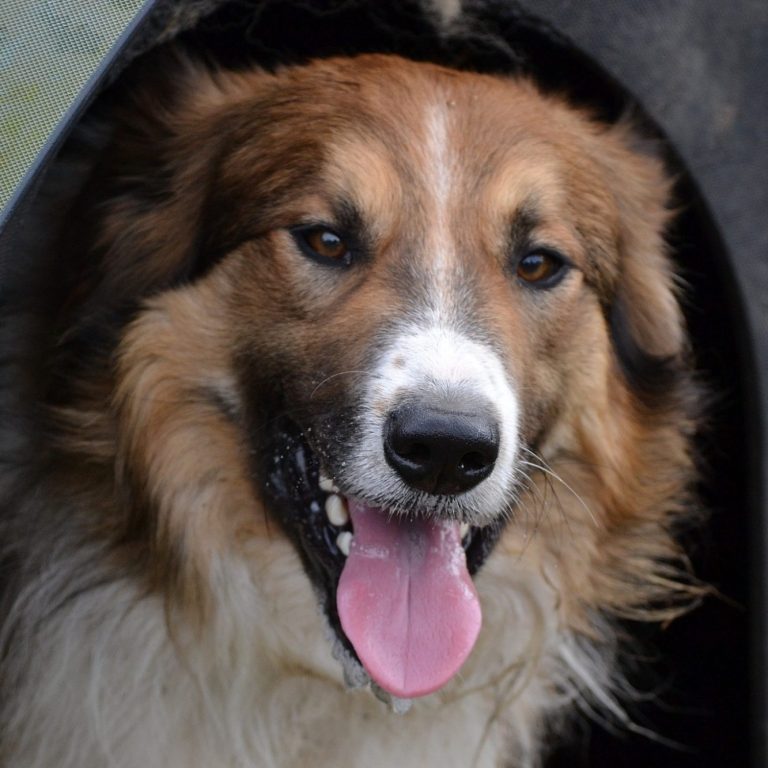
These breeds belong to a working dog family from Wales that has been involved in Welsh farming for many years. Different from border collie, the welsh sheepdog is a different pet that is famous for its intelligence, versatility, and good patience in herding animals around rough terrain. Historically, these pets were bred for their power of work rather than appearance, according to the diverse range of sizes, colors, and types of coats.
These breeds are very active, fast, and by birth work independently or in share with their owners. These were important to operate because they moved animals over long distances, and managed large groups with little time. Modernized practices as farming, the breeds numbers go down, and these faced near death by the mid-20th century.
Recently, the famous breeds have been active in working to revive the Welsh sheepdog, preserve its historical importance, and develop skills. In these days, these are not just famous dogs for their herding power but also good family dogs that get rewards from rural and urban settings alike. Their strength, intelligence, and high work ethic continue to be celebrated. Look after the pets legacy in Beyoung and Wales.Welsh Sheepdogs are a perfect blend of intelligence, loyalty, and energy. With proper care, training, and attention, they excel both as working dogs and as devoted companions, bringing joy to anyone lucky enough to have one in their lives.